Kelvane

For engineering teams
Kelvane works out by computer how air, water, heat and load will act on a product or building before it is made, then checks the answer against a physical test.
Ask for a first call- Studies
- 1,460 delivered since 2013, to October 2026
- Clients
- 212 clients in 19 countries
- Prediction against test
- 3.1% median difference, across the 187 studies from 2019 to 2025 where the client shared its test results
- On time
- 94% of studies in 2025 delivered on or before the agreed date
Three practices
Fluids, Heat, Structures
Six kinds of study in each
dragflowmixingcoolingheatstressfatiguevibrationimpactnoisewind
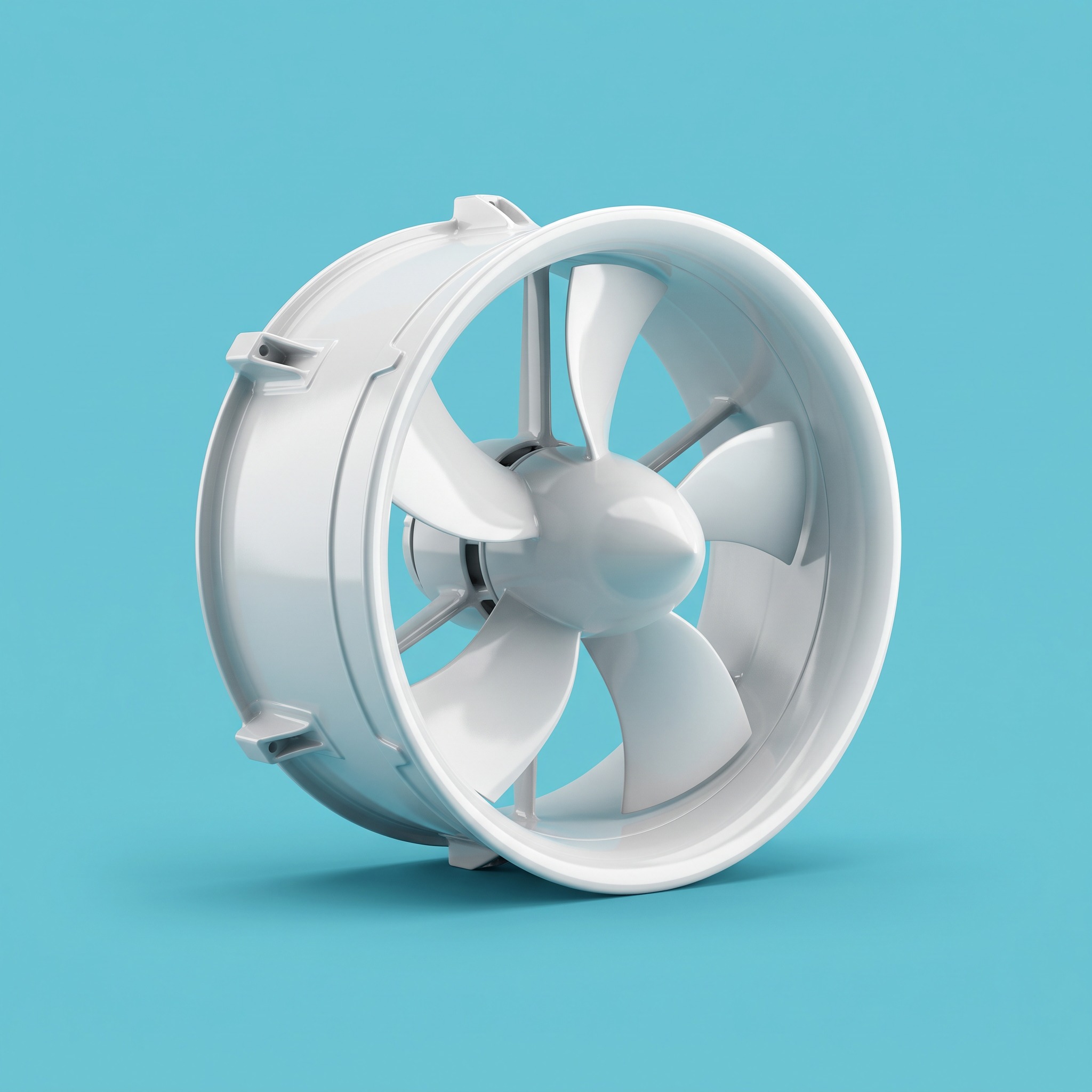
Fluids
How air and liquid move over and through a thing.
- External aerodynamics
- Internal flow and pressure loss
- Pumps, fans and turbines
- Mixing and two-phase flow
- Wind around buildings
- Flow noise
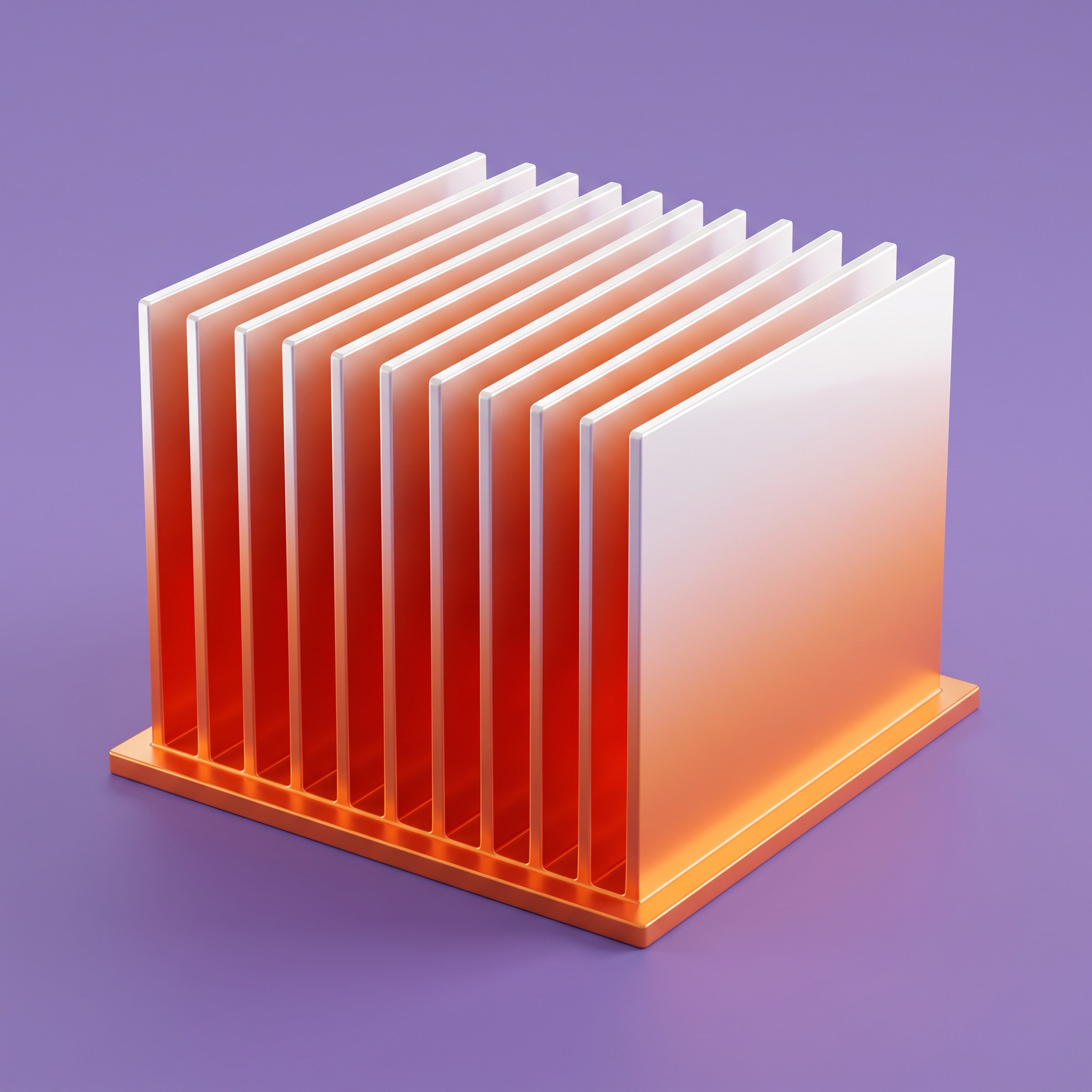
Heat
Where heat goes, and how hot each part gets.
- Electronics cooling
- Battery packs
- Data hall airflow
- Heat exchangers
- Natural ventilation and comfort
- Smoke movement
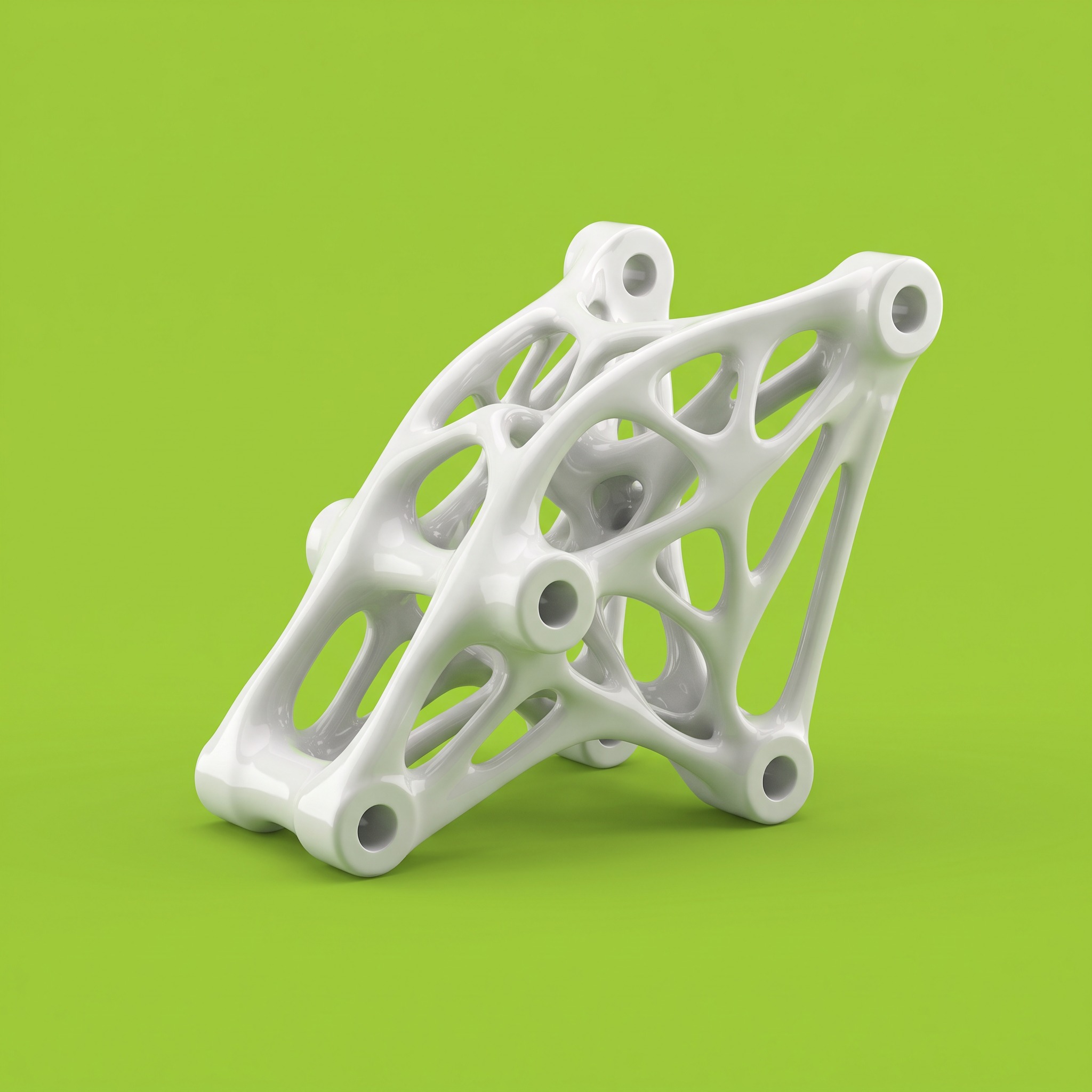
Structures
Whether a part bends, shakes, tires or breaks.
- Stress and stiffness
- Fatigue and durability
- Vibration and resonance
- Impact and drop
- Fluid and structure together
- Shape optimisation
The work goes by the names computational fluid dynamics (CFD), heat transfer analysis and finite element analysis (FEA).
Across the three practices
Validation testing
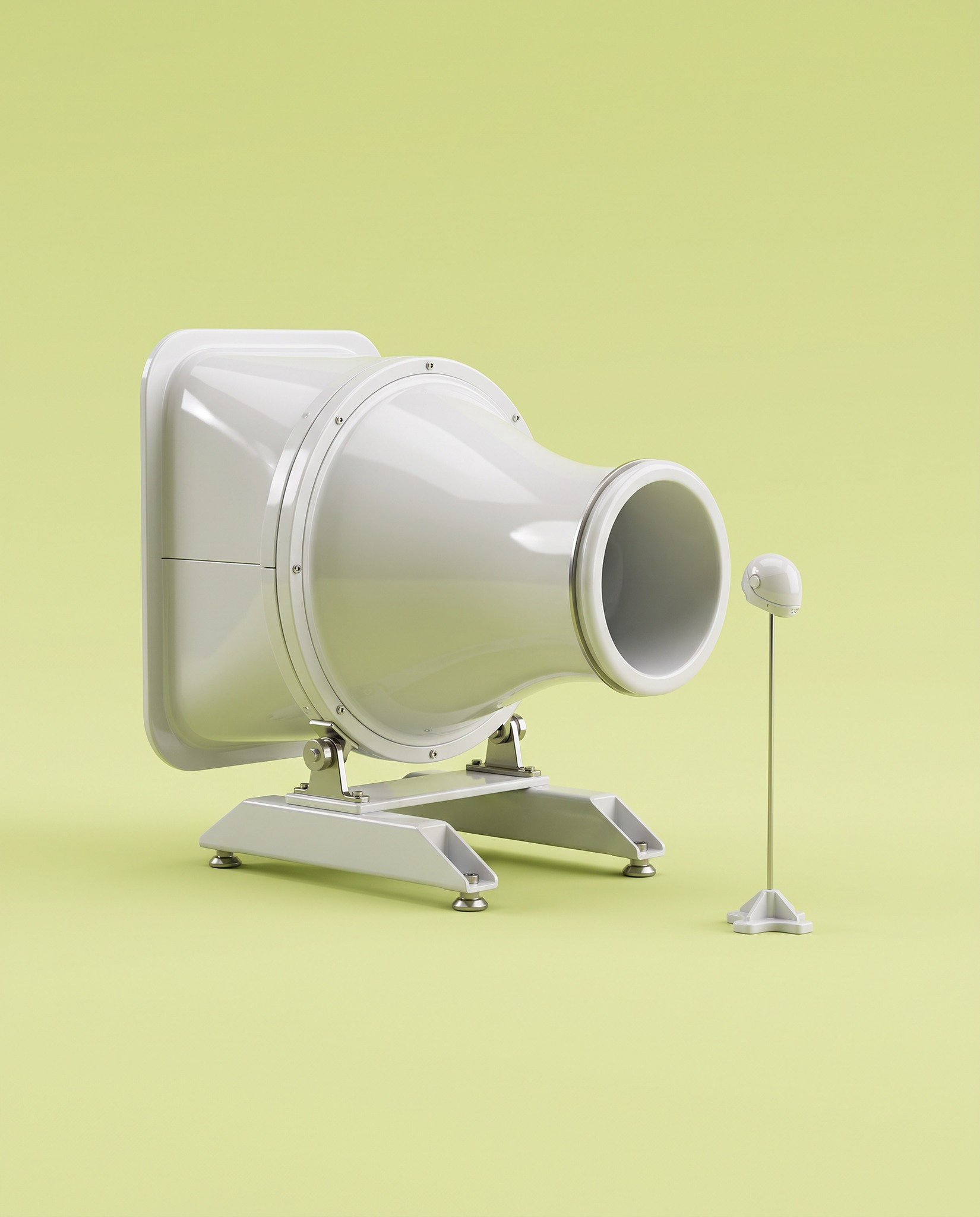
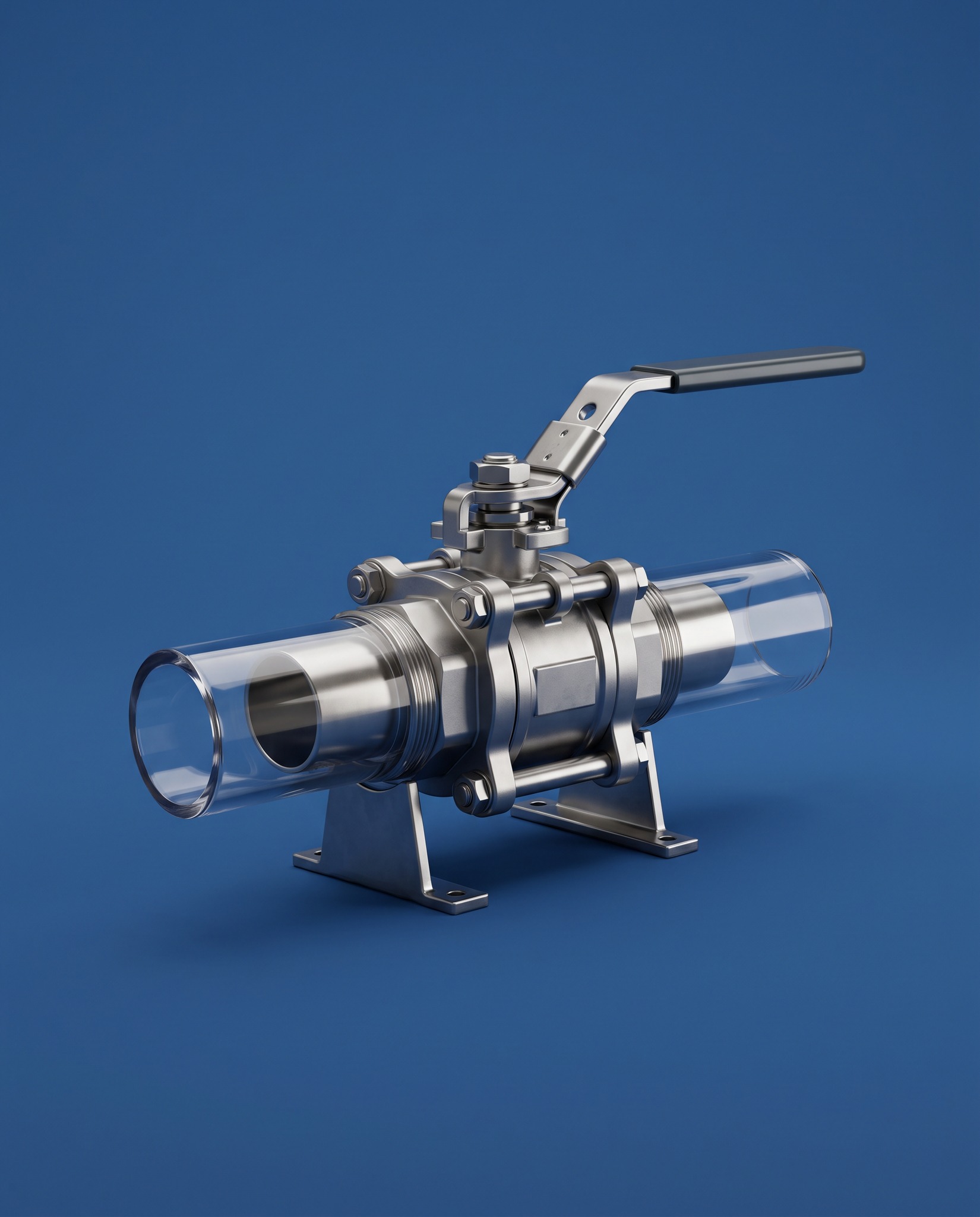
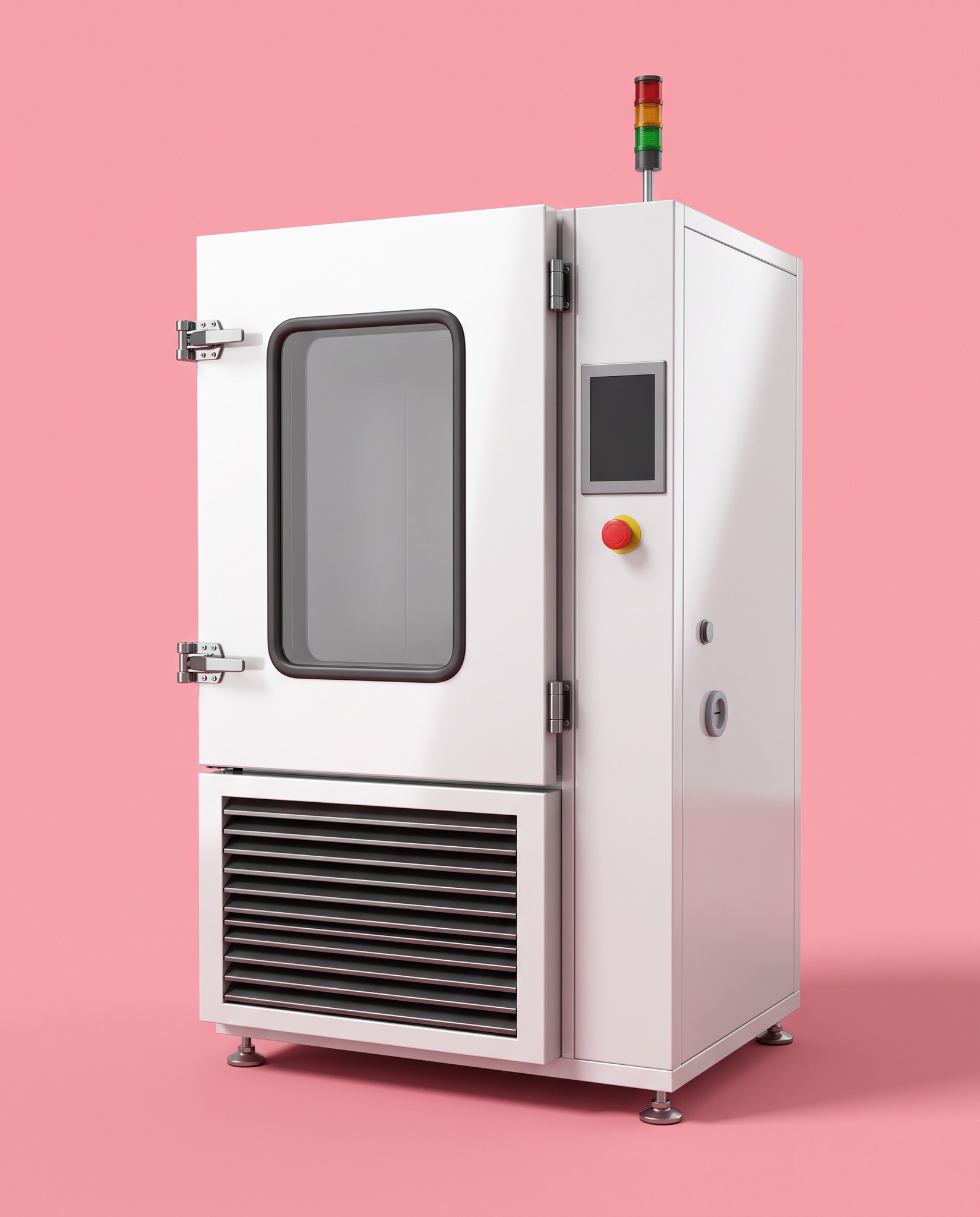
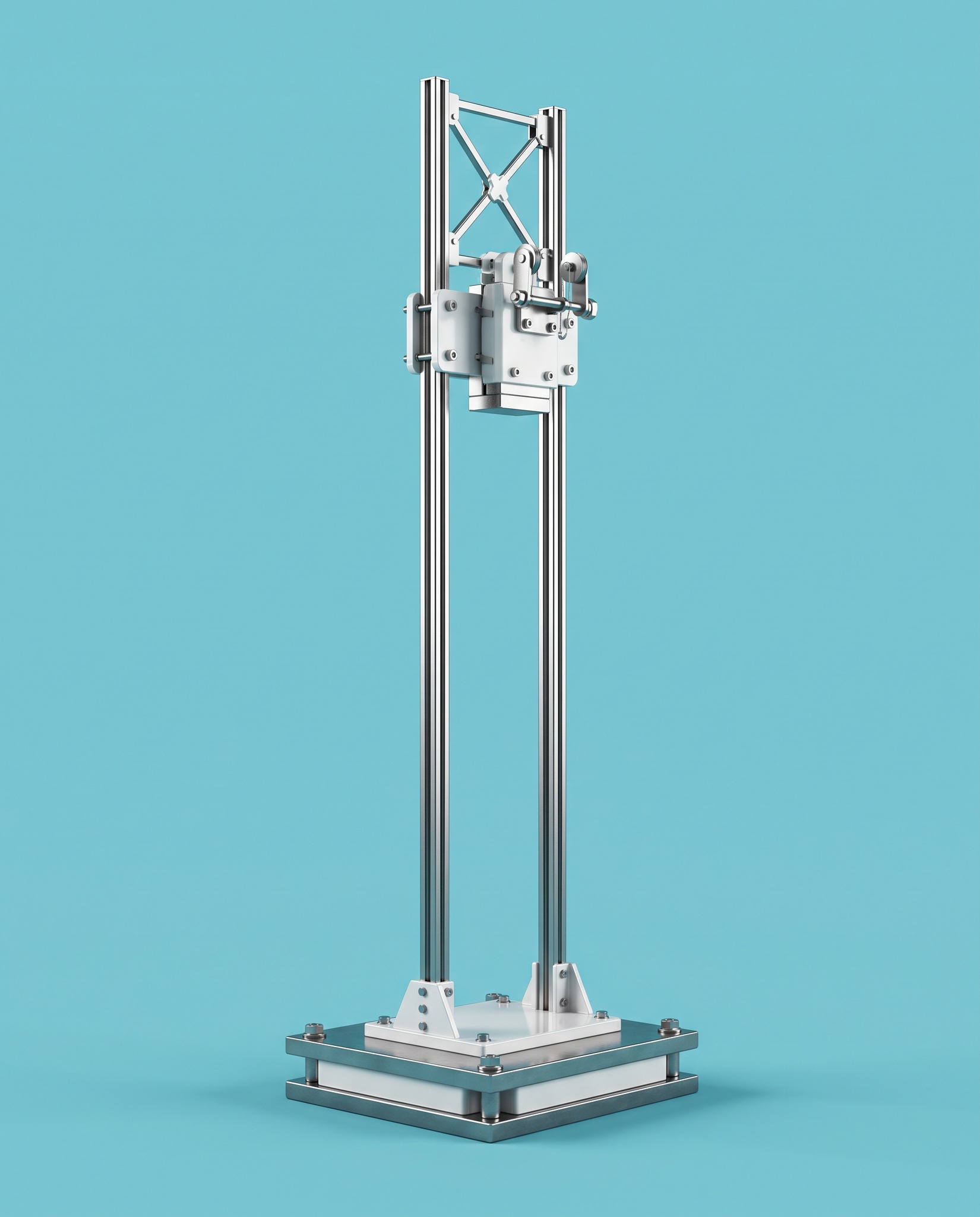
Kelvane’s own test hall in Glasgow has an open-jet wind tunnel with a 0.6 metre nozzle, a flow bench for ducts and valves, a thermal chamber from −40 to 120 °C, and a drop tower.
A prediction can be checked there against a printed or machined part, usually within two weeks.
Training and handover
A two-day course, “Reading a simulation”, for engineers who commission or review analysis and do not run it.
And at the end of every study, the model itself is handed over with a walk-through.
Finished studies
Six studies
2023 to 2026
Prizes and published results
Every answer arrives with its error stated. A Kelvane report gives the prediction, how far off it could be, and the physical test it was checked against.
Since 2016 the firm has published its validation cases: predictions sealed before a wind tunnel or rig test, then compared with it.
- 01
Clyde Engineering Prize, Gold
- Study
- Wearable inhaler
- Category
- Medical devices
- Year
- 2026
- 02
European Blind Prediction Challenge, 1st of 27
- Study
- Rear wing, GT racing car
- Category
- External aerodynamics
- Year
- 2026
- 03
Simulation Practice Awards, Winner
- Study
- Time-trial helmet
- Category
- Sport and leisure
- Year
- 2025
- 04
Cycling Technology Awards, Gold
- Study
- Time-trial helmet
- Category
- Aerodynamics
- Year
- 2025
- 05
Marine Electrification Awards, Shortlist
- Study
- Ferry battery pack
- Category
- Thermal safety
- Year
- 2025
- 06
European Blind Prediction Challenge, 2nd of 31
- Study
- Pump impeller
- Category
- Rotating machinery
- Year
- 2024
- 07
Data Hall Design Review, Commended
- Study
- Data hall, 4.8 MW
- Category
- Energy efficiency
- Year
- 2024
- 08
Simulation Practice Awards, Winner
- Study
- Insulin pump housing
- Category
- Medical devices
- Year
- 2024
- 09
Bridge Design Awards, Highly commended
- Study
- Footbridge, 64 m span
- Category
- Pedestrian bridges
- Year
- 2024
- 10
Clyde Engineering Prize, Silver
- Study
- Pump impeller
- Category
- Process equipment
- Year
- 2023
- 11
Simulation Practice Awards, Shortlist
- Study
- Espresso machine boiler
- Category
- Consumer products
- Year
- 2023
- 12
European Blind Prediction Challenge, 3rd of 24
- Study
- Ducted fan
- Category
- Rotating machinery
- Year
- 2022
Clients
The engineering teams of companies that make products and of firms that design buildings. Most are in the United Kingdom, the Netherlands, Germany and the Nordic countries.
“They told us the drag figure and then told us how wrong it could be. The tunnel landed inside that. No other analysis firm had ever put its error in writing for us.”
“We had cracked two tools’ worth of housings in the drop test. Kelvane found the corner in a week, and the next tool passed first time.”
“The model is ours. My own engineers ran the next three layouts themselves, on the files Kelvane handed over.”
Engineering simulation consultancy
Kelvane
How a study goes
Six steps
From the question to handover
- 01
The question
Free, 30 minutes
A 30-minute call with an analyst, to settle what the simulation must answer and which decision depends on it. Free.
- 02
Fixed-price proposal
Within 5 working days
Within 5 working days of the call: the scope, the method, the accuracy to expect and how it will be checked, a schedule and one price.
- 03
The model
Three mesh sizes
Your geometry is cleaned and meshed. Every model is run at three mesh sizes, to show the answer no longer changes with the mesh.
- 04
The check
Against a physical test
The model is compared with a test before it is trusted: your own measurements, a published case of the same kind, or a test in Kelvane’s hall.
- 05
The answer
The error beside it
A report with the answer on its first page, the error beside it, pictures and films of the flow, heat or stress, and the numbers behind every chart.
- 06
Handover
The model is yours
The model files, the set-up and the scripts belong to you. A 60-minute walk-through for your engineers, and questions answered free for 90 days.
A single-question study takes two to three weeks from the proposal being signed. A design study of several shapes takes four to eight.
Prices
- 01
First call and proposal
- What it covers
- A 30-minute call with an analyst, and a fixed-price proposal within 5 working days
- Price
- Free
- 02
Single-question study
- What it covers
- One question
- Price from, in 2025
- £4,800
- 03
Design study
- What it covers
- Up to 12 shapes
- Price from, in 2025
- £14,500
- 04
Validation programme
- What it covers
- Testing in the hall
- Price from, in 2025
- £38,000
- 05
Senior analyst, by the day
- What it covers
- Work with no fixed scope
- Price a day
- £1,150
- 06
Analyst, by the day
- What it covers
- Work with no fixed scope
- Price a day
- £780
- 07
Bench retainer
- What it covers
- Four analyst days a month, a reply within one working day, and unused days carried over for one month
- Price a month
- £3,900
- 08
Department retainer
- What it covers
- Twelve analyst days a month, a named lead analyst, a weekly review call, and the front of the queue on the cluster: a standard run started by 5pm is back by 9am
- Price a month
- £10,800
- 09
Training: “Reading a simulation”
- What it covers
- Two days, at most 8 people, in Glasgow or at your office
- Price a person
- £1,400
All prices are in pounds sterling and exclude VAT.
A study has one fixed price, agreed before work starts. A change is priced and agreed in writing before it is made.
A retainer is by the month, and is ended with 30 days’ notice.
Computing is included in every price. Kelvane never charges by the core-hour.
People
Founded in 2013 in Glasgow by Dr Ingrid Solheim, an aerodynamicist, and Tomás Abara, a structural analyst. Both had left the analysis department of an aerospace supplier, where a simulation was trusted only by the person who had run it.
41 staff in November 2026: 29 analysts (17 of them with doctorates), 5 software and cluster engineers, 3 test engineers and 4 in the office.
Dr Ingrid Solheim
Technical director and co-founder
Aerodynamicist. Her doctorate was on how turbulence is modelled near walls. Reads every validation case before it is published.
Tomás Abara
Managing director and co-founder
Structural analyst and Chartered Engineer. Takes the first call of most new clients himself.
Dr Priya Ramanathan
Head of Heat
Leads the thermal practice. Twelve years on battery and electronics cooling.
Callum Braithwaite
Head of validation
Runs the test hall and its three test engineers. Seals every prediction before a test.
Dr Hanne Vestergaard
Lead analyst, Structures
Leads the Delft office. Fatigue and vibration.
Jonah Adeyemi
Cluster lead
Built and runs the 9,600-core cluster.
Standards
- ISO 9001:2015
- Quality system certified since 2017.
- ISO/IEC 27001
- Information security certified since 2021. Client geometry never leaves Kelvane’s own cluster.
- Chartered Engineers
- Three of the structural analysts are Chartered Engineers.
Offices
- Glasgow, Scotland
Head office, the cluster and the test hall.
The cluster has 9,600 processor cores, and is run on a renewable electricity contract.
The Rope Works
18 Tradeston Wharf
Glasgow G5 8BN
United Kingdom
- Delft, the Netherlands
Opened in 2021 for clients on the Continent.
Oude Delft 212
2611 HJ Delft
The Netherlands
- Visits
Visits to the test hall are by appointment. Most work is done from the two offices, and analysts visit a client’s site when a test is run there.
- Telephone
Monday to Friday, 9:00 to 17:30 UK time
Ask for a first call
A 30-minute call with an analyst, to settle what the simulation must answer and which decision depends on it. It is free.
A request is answered within one working day, by an analyst.
A sample report, with a made-up client, is sent on request by email.
- Telephone
Monday to Friday, 9:00 to 17:30 UK time